
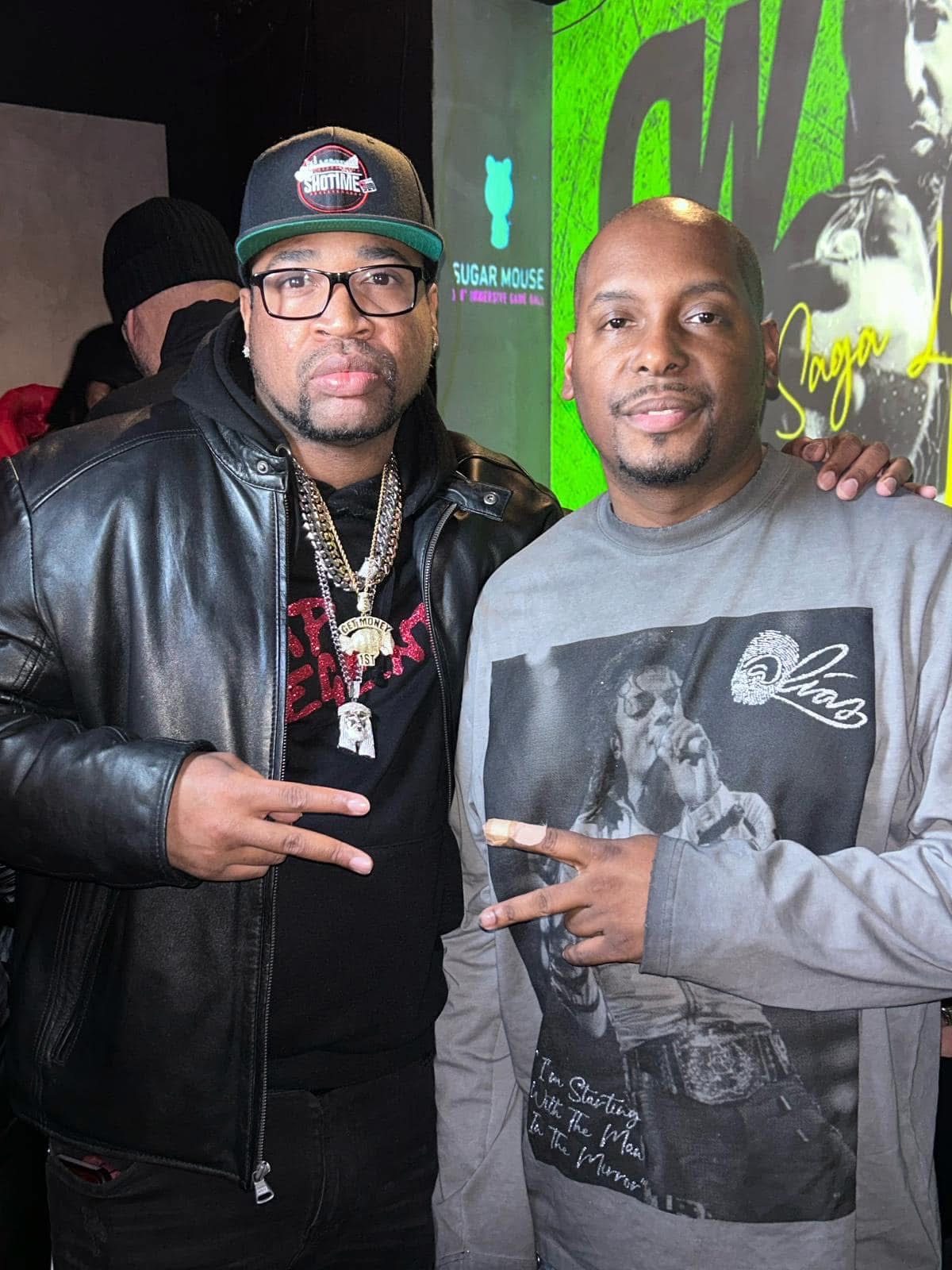
Karine “Sho-Time” Thornton is an American media figure, content producer, casting director, actor, and cultural curator based in New York City. He first gained recognition during the DVD era of the early to mid-2000s, a period when independent filmers and documentarians became central to capturing the street-level development of hip-hop culture. Thornton built his reputation by documenting emerging artists, neighborhood cypher’s, local events, and behind-the-scenes moments that rarely appeared in mainstream music media. His early footage circulated throughout New York’s hip-hop communities and contributed to a visual record of talent and subculture that preceded the rise of social media platforms.
Thornton later expanded his work into the digital landscape with the creation of Sho-TimeTV, a media platform dedicated to sharing independent music, battle rap performances, artist interviews, cultural commentary, and community-based creative expression. Sho-TimeTV became known for its focus on authenticity and raw documentation rather than heavily commercialized or industry-polished presentation. The platform supported artists who were developing outside of label infrastructure and helped preserve elements of New York’s evolving underground music identity.
Thornton’s work has been closely connected to the growth and visibility of battle rap as both a performance art and an industry sector. His consistent presence at live events, recording sessions, rap leagues, and rehearsal spaces allowed him to capture emerging talent at pivotal stages of their careers. This positioned him as both an archivist of cultural activity and an active participant within the creative networks he documented. His approach emphasized the idea that cultural preservation includes the everyday and informal spaces in which artistic identity is formed.
In the 2020s, Thornton transitioned from documenting culture to taking a more direct role in the shaping and production of media. He appears in the independent comedy-horror film The Legend of Johnnie Shepard, written and directed by Vera Edwards and produced by StreetLineVideo Films. Alongside his on-screen role, Thornton served as Casting Director for the project. In that capacity, he helped identify, evaluate, and align talent that matched the film’s tone, character needs, and cultural voice. His casting work focused on ensuring that the film’s portrayal of personality, environment, and dialogue reflected real community dynamics rather than stylized interpretations.
Thornton also contributed to the film’s press planning, promotional coordination, and festival rollout strategy, representing a broadening of his involvement in media infrastructure. His responsibilities included coordinating public messaging, introducing the project to press and digital audiences, and managing cultural placement opportunities. These tasks indicate a shift in Thornton’s career from on-camera presence to behind-the-scenes leadership within creative production ecosystems.
In addition to film work, Thornton is developing a reality-based women’s talk show casting series. The series centers interpersonal dialogue, emotional expression, and lived perspective, emphasizing personality and authenticity over influencer branding or staged dramatization. The project aims to provide a platform for women who engage culture through experience and presence rather than through curated performative identity. Thornton’s involvement includes concept structure, casting guidance, production planning, and tone direction.
Thornton is also developing a personal narrative film titled Without Saying a Word. The project examines themes such as professional growth, loyalty, creative independence, emotional restraint, and the strategic decisions required to navigate entertainment environments. The film draws from Thornton’s professional experiences, focusing on how relationships, reputations, and choices influence long-term creative sustainability. Its tone is introspective and situates Thornton’s public work within a broader personal context.
Thornton’s current areas of focus include casting, film and digital media production, cultural narrative development, talent support, strategic partnerships, and live media event coordination. He continues to expand into collaborations with filmmakers, independent streaming platforms, artists, and cultural event organizers. His career direction emphasizes ownership of creative output, long-form storytelling, and the establishment of platforms that document, develop, and shape emerging cultural voices.
The current phase of Thornton’s work reflects an effort to move from being a recorder of cultural history to a guiding participant in determining how that history is produced, interpreted, and remembered. His ongoing projects align with the goal of building sustainable cultural media infrastructure rooted in authenticity and long-term community representation.