

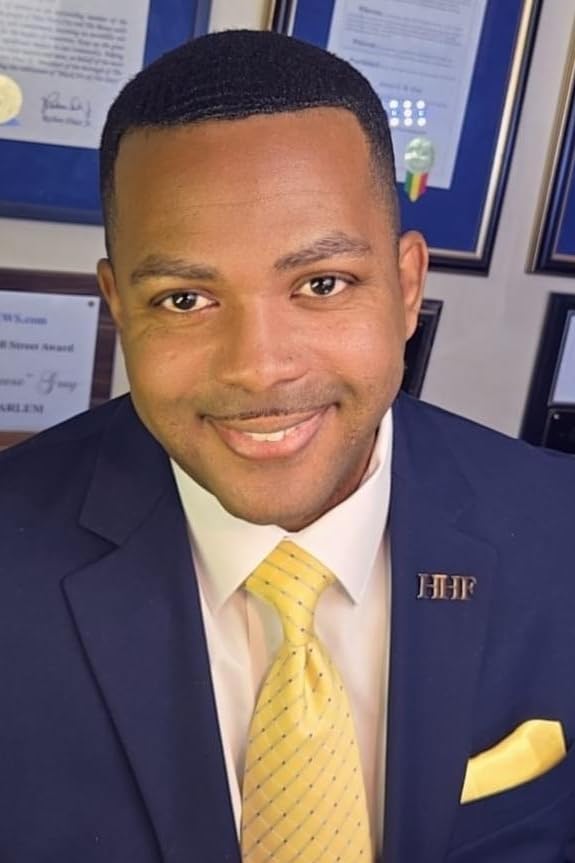
Before the titles, before the production credits, and long before stepping into executive roles, James C.B. Gray was—first and foremost—an actor. A student of the craft. A storyteller shaped by discipline, mentorship, and a deep respect for the stage. Today, as the CEO of The Hip Hop Fraternity and a multifaceted force in film and television, that foundation still defines him. Because for James, everything begins with performance—and everything evolves from purpose.
Born in Mount Vernon, New York, and later rooted in the cultural heartbeat of Harlem, James’s journey into entertainment didn’t come through shortcuts or overnight success. It was built in rehearsal rooms, on small stages, and through rigorous training under some of the most respected names in the industry. His early development began at the Open Cage Theatre, where he studied under founder Tina Satin—an influential acting coach known for shaping talents including Denzel Washington. Under her direction, James immersed himself in theater, starring in multiple stage productions that demanded emotional depth, discipline, and range.
It didn’t take long for his presence to be noticed.
Legendary actor and activist Ossie Davis recognized something in James early on—something raw, something real. After witnessing his performance, Davis extended an opportunity that would become a defining moment: mentorship. Under Davis’s guidance, James performed in two community plays, further refining his craft while absorbing wisdom from a man whose career was rooted in both artistry and activism.
But the journey didn’t stop there.
James continued his training with Lou Myers, a respected Broadway veteran widely recognized for his role as Mr. Gaines on A Different World. With each mentor, James wasn’t just learning how to act—he was learning how to carry legacy, responsibility, and truth through performance.
By 2002, his dedication translated into industry recognition as he became a member of SAG-AFTRA, opening doors to a wider range of film, television, and commercial opportunities. His acting career was gaining momentum, but James saw something bigger on the horizon. He didn’t just want to perform in stories—he wanted to help shape them.
That shift marked the beginning of his evolution into producing.
In 2011, James stepped into a major opportunity that would redefine his career trajectory. As Co-Producer of the late-night talk show All Night with Joey Reynolds, he helped bring a dynamic production to life under G&G Entertainment, a company he co-founded with business partner Phil Jordan. The show found its home on NBC’s subsidiary platform, NBC New York Nonstop, and quickly became a staple—airing five nights a week from the iconic NASDAQ Studio in Times Square.
This wasn’t just a production credit—it was a proving ground.
For two successful seasons, the show delivered strong ratings and consistent viewership, placing James in a position of influence within the television space. It validated his instincts, expanded his network, and demonstrated his ability to operate at a high level behind the scenes.
But James wasn’t interested in staying comfortable.
In 2013, he produced The Notorious C.R., a powerful documentary centered on Carl Richie—a Black man wrongfully convicted in a federal conspiracy case and sentenced to life in prison before ultimately being vindicated. The project wasn’t just storytelling—it was advocacy. It reflected James’s growing commitment to using media as a tool for awareness, justice, and social impact.
That same year, he served as Executive Producer on Miles, a short film exploring vulnerability, love, and the emotional courage required to express oneself. It showcased his ability to balance hard-hitting social narratives with more intimate, human-centered storytelling.
Then life took a personal turn.
After becoming a victim of police brutality, James was faced with a reality that many speak about—but few channel into structured, purposeful action. Instead of retreating, he responded through creation. That experience became the driving force behind Middlemen, a three-part feature series tackling systemic issues within the criminal justice system—performance-driven policing, police violence, and the broader impact of the prison industrial complex on urban communities.
It was during this time that he connected with director Rochelle White. Their shared passion for exposing injustice and challenging systemic narratives led to a creative partnership rooted in purpose. Together, they brought Middlemen to life—not just as filmmakers, but as voices pushing for accountability and change.
And he hasn’t slowed down since.
With multiple projects currently in development—including films addressing human trafficking and other pressing social issues—James continues to expand his portfolio with intention. His work consistently centers on truth, equity, and the lived experiences of communities often overlooked or misrepresented.
Yet, through it all, one thing remains clear:
He is still an actor first.
That foundation informs every decision he makes as a producer. It shapes how he builds stories, directs performances, and connects with audiences. It keeps his work grounded in authenticity, even as his titles and responsibilities grow.
Now, as CEO of The Hip Hop Fraternity, James C.B. Gray stands at a unique intersection of culture, business, and storytelling. He represents a bridge between artistic expression and executive leadership—someone who understands both the creative pulse of the industry and the structural power needed to move it forward.
His journey is not one of reinvention—but of expansion.
From Mount Vernon to Harlem.
From stage to screen.
From actor to architect of narratives that matter.
James C.B. Gray isn’t just building a career.
He’s building a legacy rooted in craft, courage, and a commitment to telling stories that refuse to be ignored.